Ranges beat alarms
Some people like alarms; others prefer a thirty-minute ribbon on a paper schedule. Both are valid logistics.
Pacing
This page collects general ideas about spacing food across waking hours. We talk about clocks, containers, and shared calendars—not metabolism, lab values, or how anyone ought to feel after eating. We are not a healthcare provider; this is not occupational health, sports nutrition, or medical dietary advice.
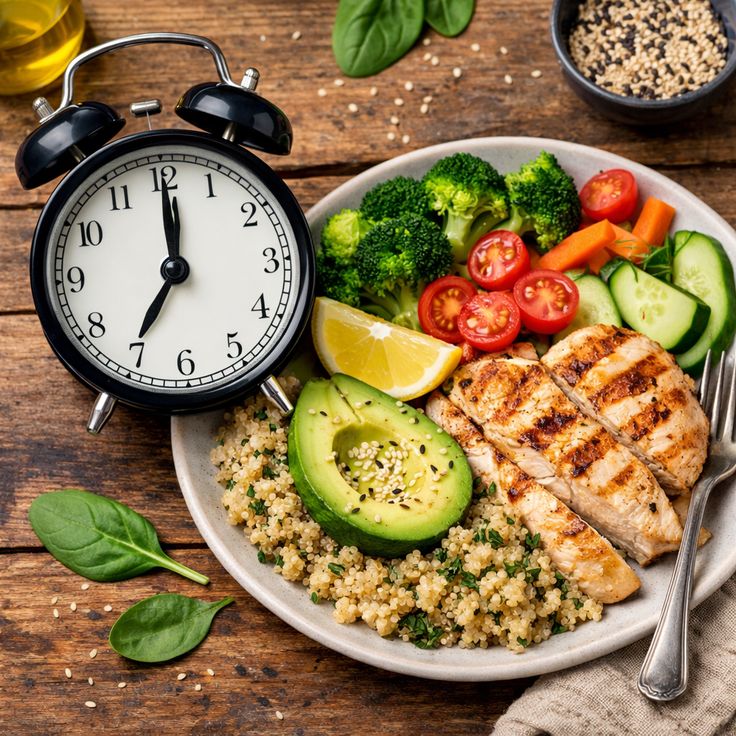
“Predictable anchors—a breakfast window, a mid-shift pause—reduce decision fatigue. They are not rules about metabolism.”
Rename freely
Early meal, carry meal, shared table—the names are placeholders. Swap them when night shifts, school holidays, or travel rearrange who is in the kitchen.
Some people like alarms; others prefer a thirty-minute ribbon on a paper schedule. Both are valid logistics.
If your commute bag is small, the container story shrinks too. The principle is continuity, not matching an influencer’s kit.
A note on the fridge about who needs a packed lunch on which day prevents last-minute scrambling.
The bars below are a teaching metaphor: they show how we might allocate attention across planning tasks, not nutrients in your body.
Rotating schedules ask for rotating labels. We encourage teams to write the week in local time for each person, even when that means three different “dinners” across a household. The goal is fewer surprises, not identical plates.
We do not claim that any particular spacing will improve alertness or health metrics. For occupational health questions, speak with your employer’s qualified advisors.
Skipped plans happen. The educational stance here is to return to the next scheduled anchor without commentary about virtue or failure.
If a meeting runs long and a prepared box stays in the fridge, that is logistics. Note it once, adjust tomorrow’s list if needed, and avoid turning the slip into identity language.
A small pouch with a reusable fork, a cloth napkin, and a snack you still enjoy can signal “this is still my rhythm” without implying any biological effect.
Choose shelf-stable backups you would eat on an ordinary Tuesday.
Photograph the hotel fridge layout once; it reduces reopening the door ten times.
Rename anchors to local time on day one of a trip.
Paper first, apps second—keeps ambition visible.
Shelf-stable safety net you genuinely like.
Shopping list inherits notes from what ran out.
Housemates see the same three anchor names.
Content here is general. Personal medical questions deserve a licensed professional.
Phelarynphkhakor offers general informational content about everyday meals and kitchen planning. We are not a healthcare provider, medical clinic, or regulated dietetic service. We do not diagnose, treat, cure, or prevent any disease or medical condition, and we do not promise or guarantee specific results or outcomes. Paid offerings, where available, are limited to educational materials or general planning conversations—not medical nutrition therapy, personalised dietetic treatment, or prescription of therapeutic diets. For medical dietary advice in the UK, consult your GP, NHS services, or a dietitian registered with the Health and Care Professions Council (HCPC). Registered business details and policies are linked in the footer.